Get Tree Cabling Service
Tree cabling services help property owners stabilize and support weak or damaged branches and limbs, preventing breakage and property damage through professional installation by local contractors.
Tree cabling services provide essential support for maintaining the health and stability of mature or valuable trees on residential and commercial properties. Proper cabling can help prevent damage caused by heavy branches, storms, or age-related weakening, ensuring the safety of people and property. Property owners in the area often consider tree cabling as a practical step to protect their landscape investments, especially when dealing with trees that have structural issues or are located in high-traffic areas. Exploring local contractors who specialize in tree cabling can help identify effective solutions tailored to specific tree needs and property conditions.
When planning for tree support projects, it’s important to compare the options available from nearby service providers. Local contractors can assess individual trees and recommend appropriate cabling techniques to enhance their longevity and safety. By exploring different providers, property owners can find experienced professionals capable of delivering reliable, long-lasting support systems. Continuing to read can help uncover the key considerations for selecting a qualified tree cabling service and connect with trusted local experts ready to assist with your project.
- Tree Cabling Installation - when trees require additional support to prevent damage during storms or high winds.
- Tree Cabling Inspection - if there are concerns about the stability or health of mature or large trees.
- Tree Cabling Repair - when existing cabling or support systems show signs of wear, damage, or failure.
- Tree Support System Evaluation - for property owners seeking professional advice on the best support options for valuable or hazardous trees.
- Tree Cabling Removal - when cabling systems need to be safely taken down due to changes in tree health or landscape plans.
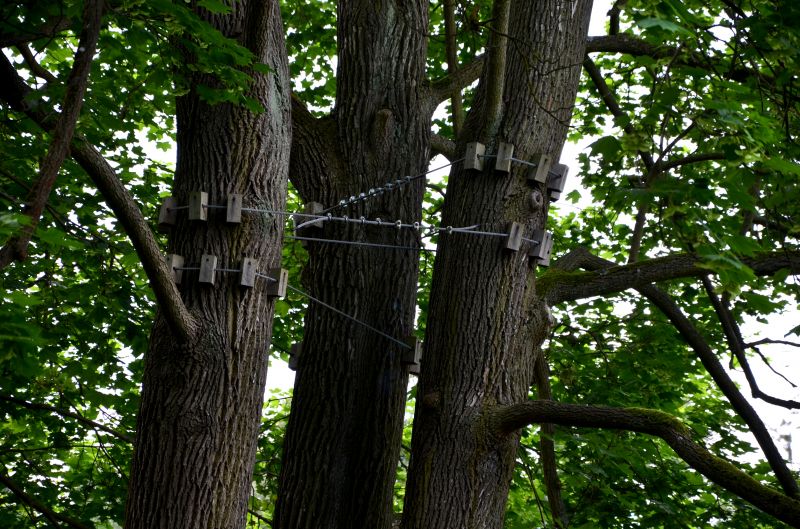
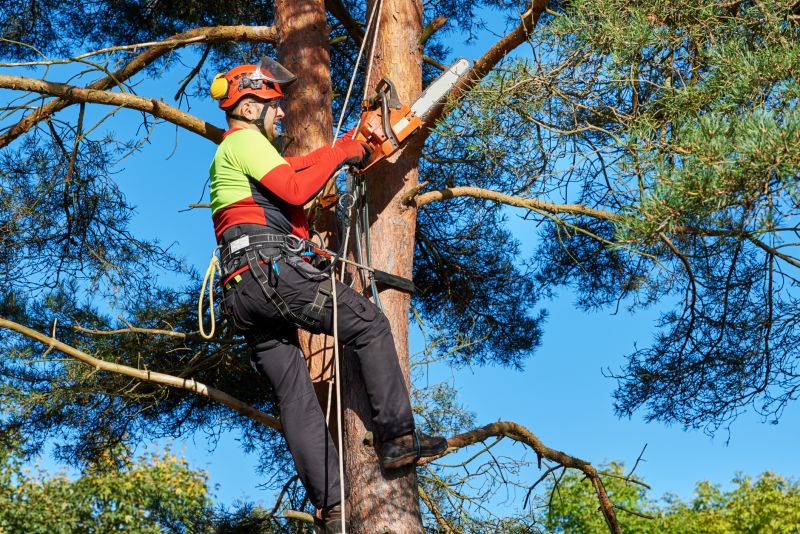
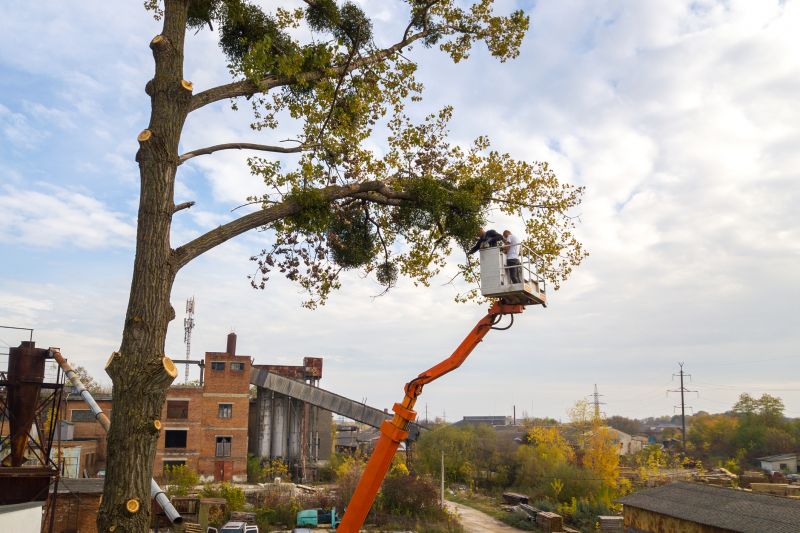
Tree cabling services involve installing specialized support systems to help stabilize and protect mature or structurally compromised trees. This process typically uses strong, flexible cables and anchors strategically placed to reduce stress on branches and trunks. The goal is to prevent potential damage caused by heavy winds, snow, or the natural growth of the tree, ensuring the tree remains safe and healthy for years to come. Skilled contractors assess each tree carefully to determine the best placement of cables, providing a tailored solution that addresses the specific needs of the tree and property.
This service is especially helpful for resolving common problems such as weak branch attachments, leaning trees, or limbs that are at risk of breaking. Without intervention, these issues can lead to dangerous falling branches or even tree failure, posing safety hazards to people and property. Tree cabling can also help preserve valuable landscape features or historic trees that might otherwise be at risk of damage. By providing additional support, cabling allows trees to continue growing naturally while minimizing the risk of costly accidents or property damage.
Properties that typically benefit from tree cabling include residential homes with mature trees near driveways or walkways, commercial properties with landscaped grounds, and public parks or institutions that prioritize safety and aesthetic appeal. Homeowners who notice signs of stress in their trees, such as split branches or leaning trunks, often seek this service as a preventative measure. Similarly, property managers and landscapers frequently use tree cabling to maintain the safety and appearance of large, valuable trees on their grounds.
When considering tree cabling, it’s important to work with experienced local service providers who can evaluate the condition of the trees and recommend appropriate solutions. These professionals use proven techniques to ensure that the cables are installed correctly and do not harm the tree’s natural growth. Whether addressing existing issues or taking proactive steps to support mature trees, property owners can find local contractors capable of providing effective tree cabling services that help protect their landscape investments.
The overview below groups typical Tree Cabling Service projects into broad ranges so you can see how smaller, mid-sized, and larger jobs often compare in your area.
In many markets, a large share of routine jobs stays in the lower and middle ranges, while only a smaller percentage of projects moves into the highest bands when the work is more complex or site conditions are harder than average.
Smaller Repairs - For routine tree cabling needs, local contractors typically charge between $250 and $600. Many smaller jobs fall within this range, covering simple support or reinforcement for individual trees.
Medium-Sized Projects - Larger, more complex cabling projects for multiple trees or larger specimens often range from $600 to $1,500. These projects are common for property maintenance or landscape enhancement.
Full Tree Support Installations - Comprehensive cabling systems for mature or high-value trees can cost between $1,500 and $3,000. Fewer projects reach into this higher tier, usually involving extensive support systems.
Large-Scale or Custom Projects - The most complex or extensive tree cabling services, such as for large estates or specialty landscapes, can exceed $5,000. These projects are less frequent but handled by experienced local service providers.
Actual totals will depend on details like access to the work area, the scope of the project, and the materials selected, so use these as general starting points rather than exact figures.
Tree Pruning and Trimming - professionals who shape and maintain trees, requiring similar planning and equipment as cabling projects to ensure tree health and safety.
Utility Line Installation - contractors installing or repairing power and communication lines often work at heights and with similar safety protocols as tree cabling services.
Landscape Lighting Installation - specialists who design and install outdoor lighting systems using planning and tools comparable to those used in tree cabling projects.
Stump Removal and Grinding - service providers who remove tree stumps, often coordinating with cabling services to ensure tree health and site safety.
Tree Health Assessments - arborists who evaluate tree conditions, requiring knowledge of tree structure and safety similar to cabling planning.
Climbing and Rope Rescue Services - experts skilled in working at heights with ropes and harnesses, sharing techniques used in tree cabling installations.
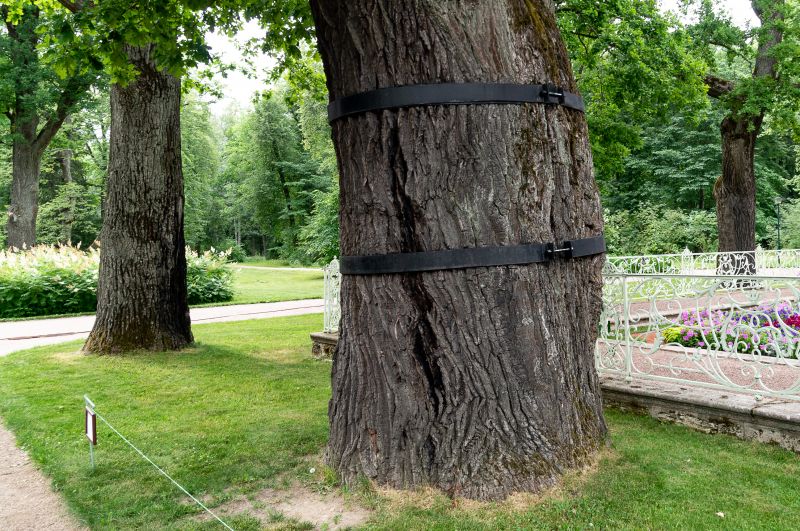
When comparing local contractors for tree cabling services, it is important to consider their experience with similar projects. Homeowners should inquire about how long a service provider has been working in the field and whether they have handled tree cabling jobs comparable to their own. A contractor with a proven track record in this area is more likely to understand the specific needs of different tree species and structural challenges, helping to ensure the work is done properly and safely.
Clear, written expectations are essential when evaluating potential service providers. Homeowners should seek detailed descriptions of the scope of work, including the methods and materials that will be used. Having this information documented helps prevent misunderstandings and provides a basis for comparison between different options. Reputable contractors will be transparent about what the project entails and be willing to provide this information upfront.
Reputable references and good communication are key factors in selecting a reliable service provider. Homeowners should ask for references from previous clients who had similar work done and follow up to learn about their experiences. Additionally, a contractor’s responsiveness and clarity in communication can indicate professionalism and a commitment to customer service. While this site introduces homeowners to local options, it is important to independently verify a contractor’s reputation and communication style to choose a provider that aligns with the project’s needs.
Property owners use Tree Cabling Service services for practical projects around their homes and businesses. This guide focuses on everyday jobs and straightforward project options.
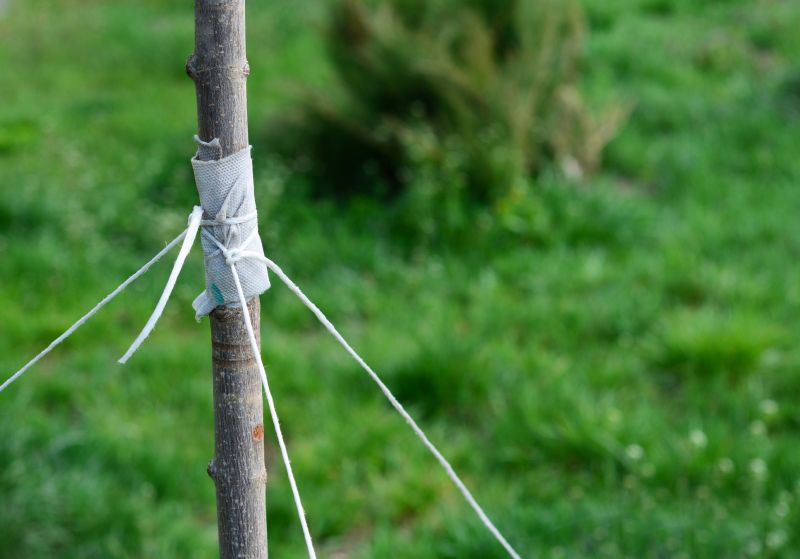
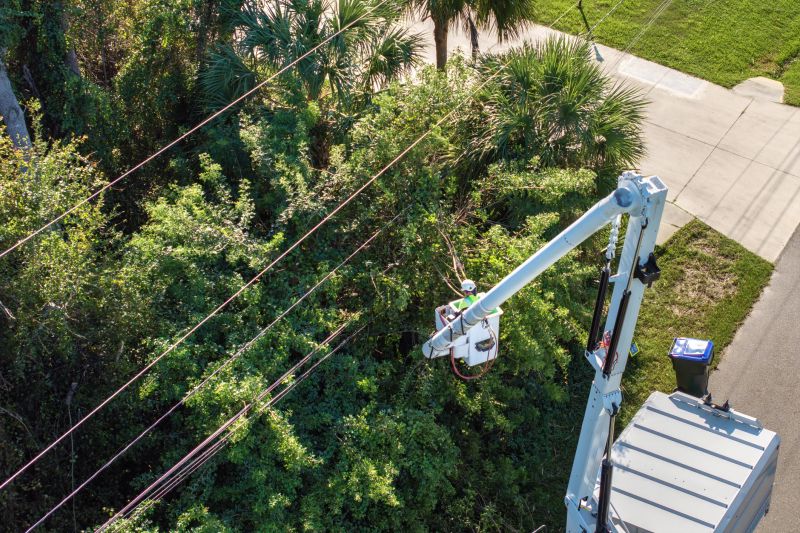
Tree cabling services are often needed when property owners notice that certain trees have weak branches or are showing signs of instability. In everyday situations, this might include large trees near homes, driveways, or walkways where falling limbs could pose a risk. Local contractors can provide the necessary support to help stabilize these trees, reducing the chance of damage during storms or high winds and helping to preserve the health of the trees.
Property owners may also seek tree cabling when they want to prevent potential hazards caused by overgrown branches or trees with structural issues. This service can be a practical solution for maintaining safety and protecting property investments, especially in areas where mature trees are part of the landscape. Local service providers can assess the situation and recommend appropriate cabling solutions to support the trees’ growth and stability.
What is tree cabling service? Tree cabling service involves installing supportive cables and hardware to help stabilize and protect mature or structurally weak trees.
Why should I consider tree cabling? Tree cabling can reduce the risk of branch or limb failure, helping to maintain the health and safety of your trees and surrounding area.
What types of trees can benefit from cabling? Mature, leaning, or damaged trees with heavy branches are common candidates for tree cabling services.
How do local contractors determine the need for cabling? They assess the tree’s structure, health, and potential risks to decide if cabling is an appropriate solution.
What materials are used in tree cabling? Professional service providers typically use durable steel cables, hardware, and anchors designed for tree support and longevity.
Tree Support and Stability - Local contractors can install cabling to help support weak or leaning branches, reducing the risk of damage during storms.
Tree Health Preservation - Service providers can use cabling to prevent branches from rubbing or breaking, promoting healthier growth.
Property Protection - Cabling services can secure overhanging branches that pose a threat to roofs, power lines, or walkways.
Tree Preservation Projects - Local pros can assist with cabling to preserve mature trees and prevent the need for removal.
If you are thinking about Tree Cabling Service for a property, this guide is meant to help you understand the work, the typical project types, and how different options might fit your plans.
When you are ready, you can use the quote form on this page to share a few details about your project. From there, local pros can review the basics and respond with options that match what you have in mind.